Footwear Materials Guide
Sneakers vs Running Shoes: What Is the Difference
Master the art of saying no with confidence. Learn how to set boundaries, prioritize your well-being.
Introduction
Many people use the terms sneakers and running shoes interchangeably. While they may look similar, they are designed for different purposes.
Understanding the difference helps you choose footwear that supports your lifestyle and activity level.
Here is a clear breakdown of how sneakers differ from running shoes.
1. Purpose and Design
Sneakers are designed for everyday wear. They focus on versatility, comfort, and style.
Running shoes are engineered specifically for running. They are built to handle repetitive forward motion and high impact activity.
If your routine involves casual walking and daily errands, sneakers are usually sufficient.
If you run frequently or train intensely, running shoes provide the specialized support you need.
2. Cushioning and Impact Absorption
Running shoes typically offer advanced cushioning systems.
They are designed to:
Absorb repeated impact
Support forward propulsion
Reduce stress on joints
Sneakers provide moderate cushioning suited for daily movement but are not optimized for long distance running.
Choosing the correct level of cushioning improves comfort and reduces injury risk.
3. Sole Construction
Running shoes often have:
Thicker midsoles
Performance focused foam
Structured heel counters
Enhanced traction patterns
Sneakers usually feature:
Balanced midsoles
Flexible outsoles
Versatile traction designs
Streamlined builds
The sole design reflects the intended use.
4. Weight and Structure
Running shoes are often lightweight but highly structured for performance.
They prioritize:
Energy return
Stability
Controlled movement
Sneakers balance lightweight feel with style and adaptability.
They are ideal for commuting, travel, and daily wear.
5. Styling and Versatility
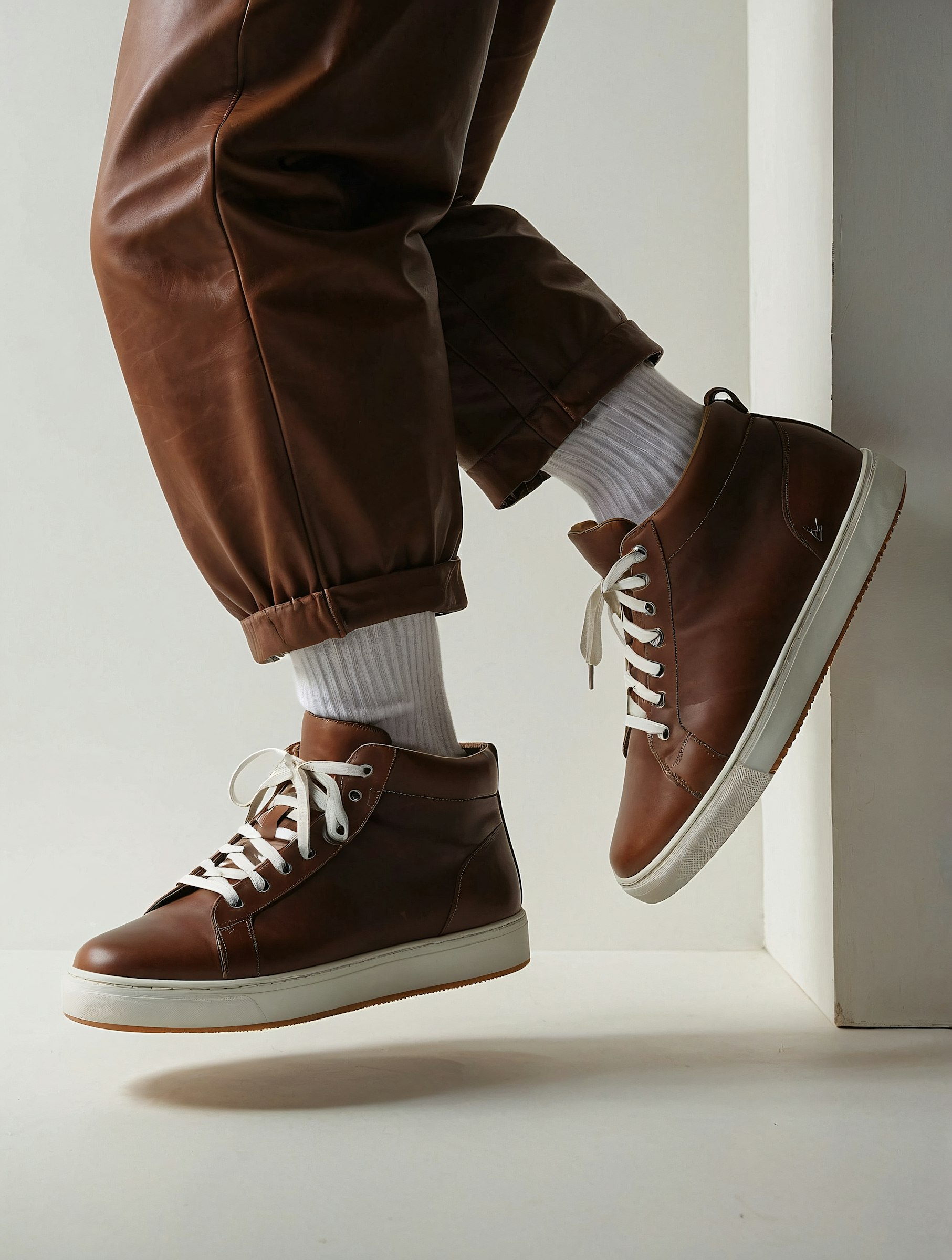
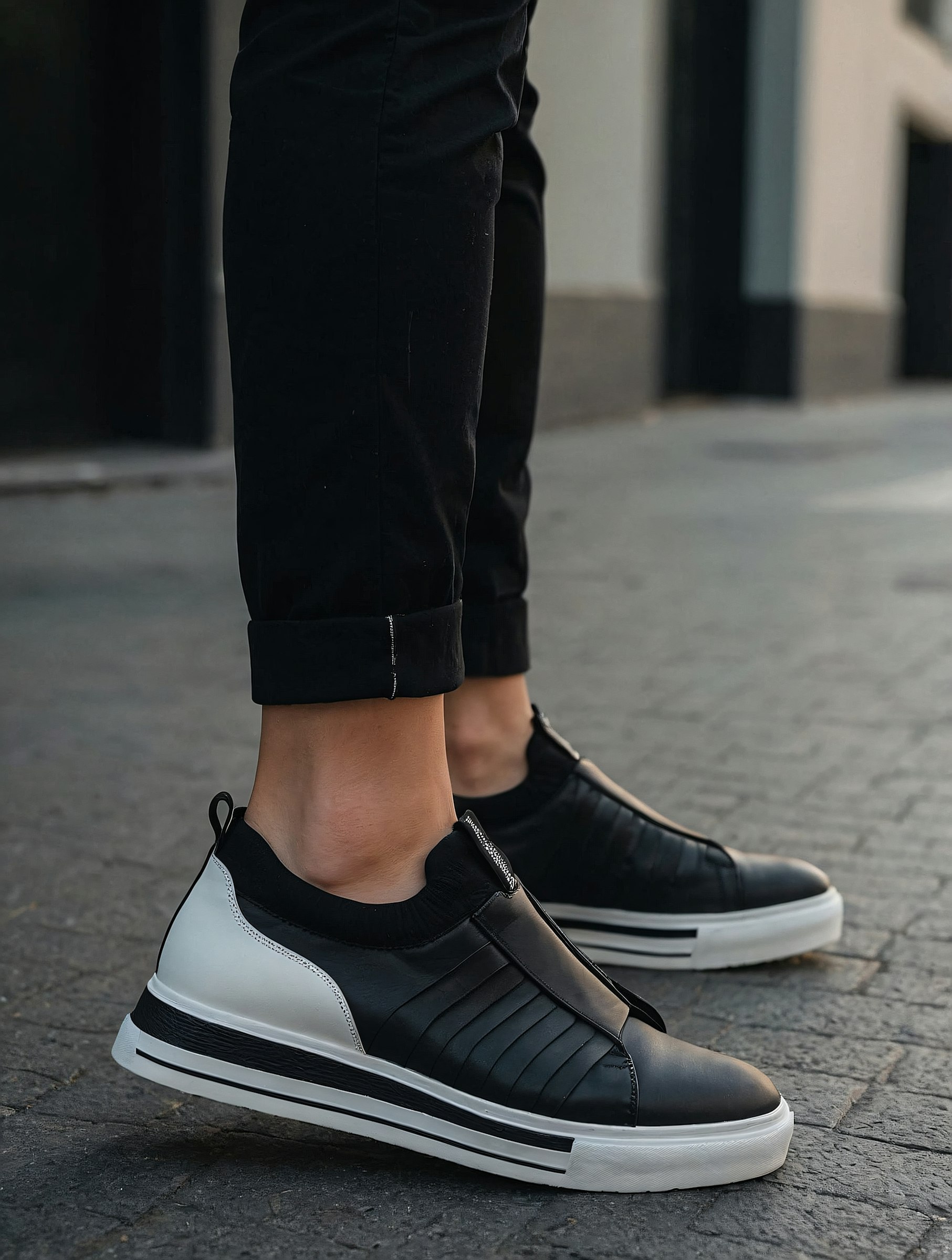
Sneakers integrate easily into everyday outfits.
They pair well with:
Denim
Tailored trousers
Casual wear
Travel outfits
Running shoes may look more technical and athletic.
For lifestyle versatility, sneakers are generally more adaptable.
6. Durability for Specific Activities
Running shoes are built for high impact repetitive motion. However, using them casually may wear down performance cushioning faster.
Sneakers are better suited for daily walking and non athletic use.
Matching footwear to activity improves longevity.
Conclusion
Sneakers and running shoes serve different purposes. Sneakers are designed for daily comfort, versatility, and style. Running shoes are engineered for performance and repetitive impact.
Choosing the right footwear depends on how you move each day. When comfort, durability, and purpose align, your shoes work better for you.