Footwear Materials Guide
Best Materials for Breathable and Lightweight Sneakers
Discover the best materials for breathable and lightweight sneakers. Learn how mesh, knit, and modern synthetics improve airflow, comfort, and everyday performance.
Introduction
The material of a sneaker directly affects comfort, durability, and performance. If your shoes feel heavy or trap heat, it often comes down to the construction and fabric used.
Choosing breathable and lightweight materials can significantly improve daily comfort, especially if you spend long hours on your feet.
Here is what to look for when selecting sneakers built for airflow and flexibility.
1. Mesh Uppers for Maximum Airflow
Mesh is one of the most popular materials in modern sneakers.
Benefits of mesh include:
Enhanced breathability
Lightweight feel
Better temperature control
Quick drying properties
Mesh allows air to circulate around your feet, reducing heat buildup and moisture.
For everyday sneakers, mesh works especially well in warm climates or active routines.
2. Knit Construction for Flexibility
Knit uppers provide a sock like fit.
Advantages of knit materials:
Flexible structure
Adaptive comfort
Reduced pressure points
Lightweight build
Knit sneakers often feel softer and more natural when walking.
They are ideal for daily wear and long hours of movement.
3. Engineered Synthetic Overlays for Support
While breathable materials are important, structure is equally necessary.
Synthetic overlays provide:
Added durability
Shape retention
Reinforced high stress areas
Better midfoot support
The combination of mesh or knit with supportive synthetic elements creates balance between airflow and stability.
4. EVA Midsoles for Lightweight Cushioning
The midsole plays a key role in weight and comfort.
EVA foam is widely used because it offers:
Shock absorption
Reduced overall shoe weight
Responsive cushioning
Long lasting performance
Lightweight midsoles prevent foot fatigue during long days.
5. Rubber Outsoles for Durability
While rubber is heavier than foam, it adds durability and traction.
Look for:
Flexible rubber compounds
Grip patterns for stability
Reinforced heel and toe areas
A well designed rubber outsole ensures that lightweight sneakers still perform reliably.
6. Moisture Managing Linings
Inner lining materials matter as well.
Quality linings help:
Reduce sweat buildup
Improve comfort
Prevent odor
Maintain freshness
Breathable interior fabrics enhance overall wear experience.
7. Avoid Overly Thick Materials
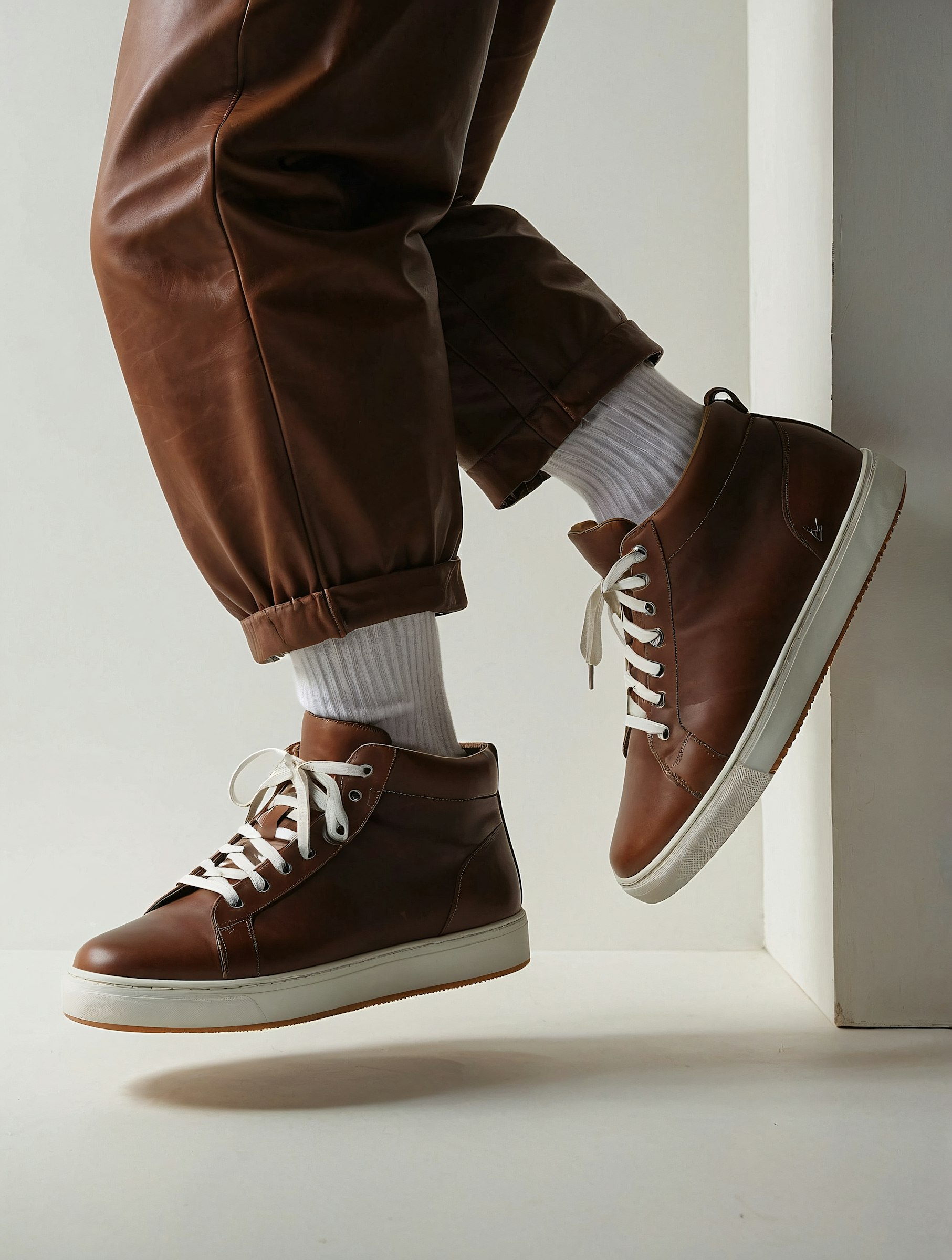
Heavy padding and thick leather constructions can increase weight and reduce airflow.
For daily sneakers, choose:
Streamlined builds
Lightweight foam
Flexible fabric based uppers
Minimal layering often leads to greater comfort.
Conclusion
Breathable and lightweight sneakers rely on smart material choices. Mesh and knit improve airflow, synthetic overlays provide structure, and EVA midsoles reduce weight while maintaining cushioning.
When choosing everyday footwear, prioritize materials that support movement without adding unnecessary bulk.
The right construction keeps you comfortable from morning to night.